

The TOP 50 Foods That Are Safe For Your Diabetic Dog
Many common human foods are safe and even healthy for diabetic dogs when given in appropriate amounts. But others can spike blood sugar or cause other health issues.
This vet-approved guide covers 50 top foods for diabetic dogs, including what’s safe for your dog, what to avoid, and how to serve them responsibly. Keep reading below for a deep dive as to why they're approved.
If your dog has diabetes, choosing the right foods can help support stable energy levels, healthy digestion, and overall wellbeing.
Many dogs with diabetes do best with foods that are high in fibre, low in added sugars, and made with simple, natural ingredients.
Here are some dog-friendly foods often included in diabetic-friendly diets.
Always check with your vet before introducing new foods, especially if your dog is on insulin or medication.
Vegetables & Fibre-Rich Foods
Pumpkin
High in fibre and great for supporting healthy digestion.
Carrots
Crunchy, naturally low in fat, and packed with beta-carotene.
Green Beans
A brilliant low-calorie snack with added fibre.
Broccoli
Nutrient-rich and low in fat. Best served in small amounts.
Kale
Packed with vitamins, antioxidants, and fibre.
Spinach
Contains fibre and important nutrients.
Courgette
Hydrating, gentle on digestion, and low in calories.
Cucumber
A crunchy, refreshing snack with high water content.
Sweet Potato
Rich in fibre and slow-releasing carbohydrates.
Plain White Potato
Can be fed cooked and plain in small amounts as part of a balanced diet.
Fruits For Occasional Treats
Fruit should always be fed in moderation due to natural sugars.
Blueberries
Packed with antioxidants and fibre.
Apples (No Seeds)
Contain fibre and vitamin C.
Strawberries
Naturally rich in antioxidants and vitamin C.
Watermelon (Seedless)
Hydrating and low in calories.
Banana
Contains potassium and fibre. Best fed in small pieces occasionally.
Peeled Pear (No Seeds)
Contains fibre and natural sweetness.
Healthy Grains & Fibre Sources
Oatmeal
A good source of soluble fibre.
Brown Rice
Gentle on digestion when fed in moderation.
Quinoa
Contains plant-based protein and fibre.
Lentils
Packed with fibre and nutrients.
Chickpeas
Contain fibre and plant-based protein.
Healthy Fats & Extras
Ground Flaxseed
Supports digestion and provides omega fats.
Chia Seeds
Rich in fibre and healthy fats.
Coconut
Can be fed in small amounts as part of a balanced diet.
Pumpkin Seeds (Unsalted)
Contain fibre and nutrients.
Herbs & Natural Additions
Parsley
A fresh herb often used in tiny amounts.
Dill & Coriander
Safe in very small quantities as flavour enhancers.
Which Vegetables Are The Best For Your Dog's Health?
There are a few vegetables that are good for your dog's health, our top 5 vet-approved round up veggies for dogs include: carrots, sweet potato, pumpkin, kale and green beans.

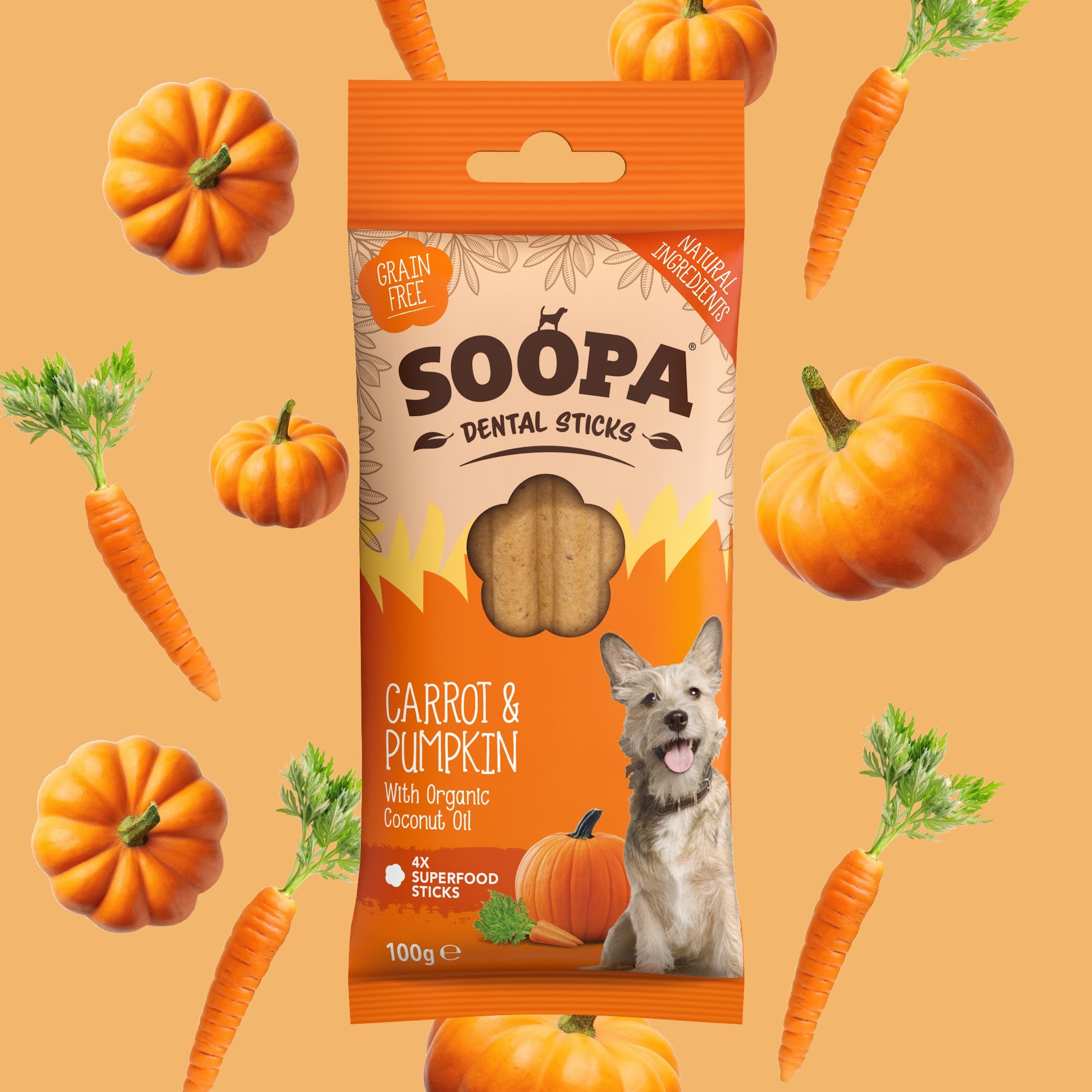
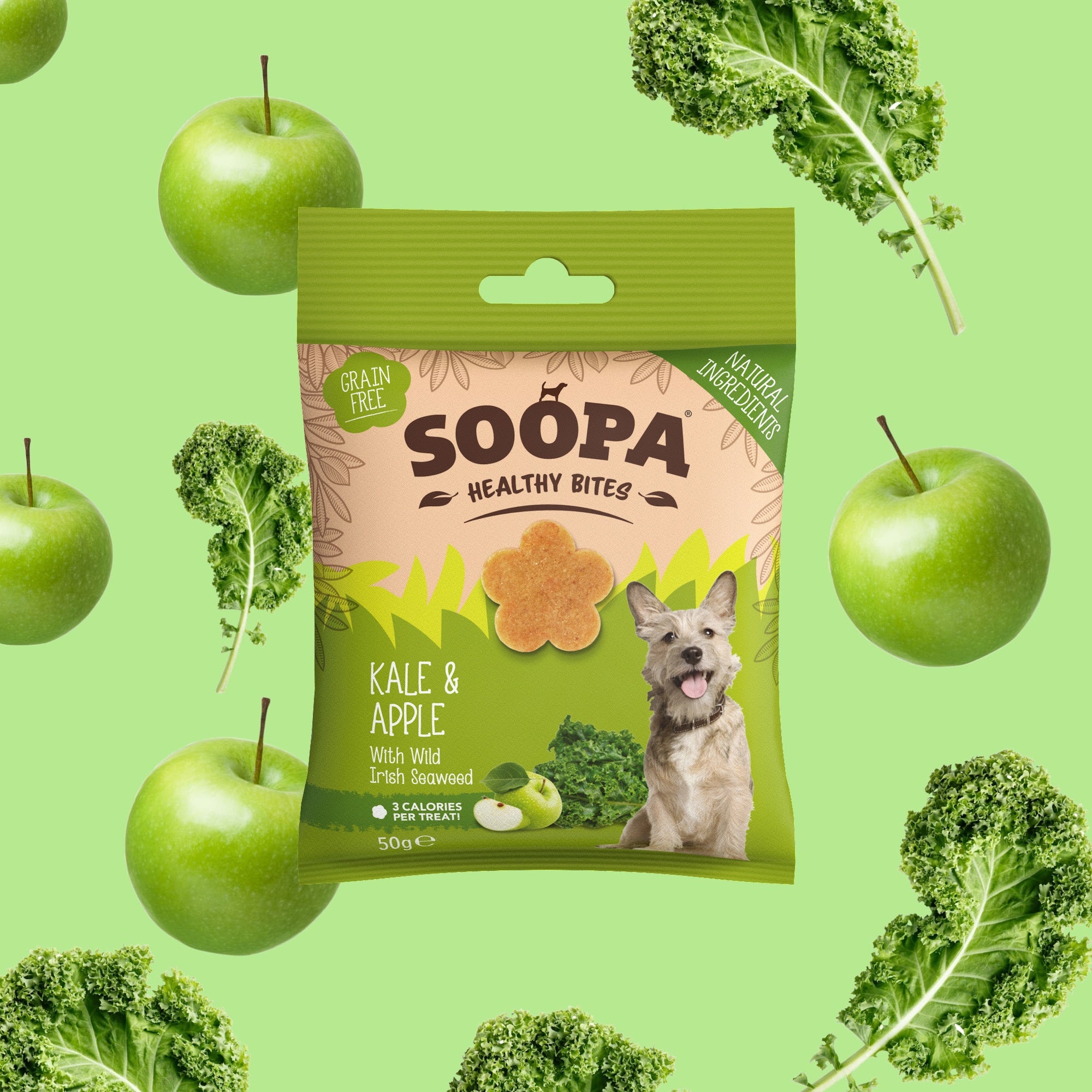
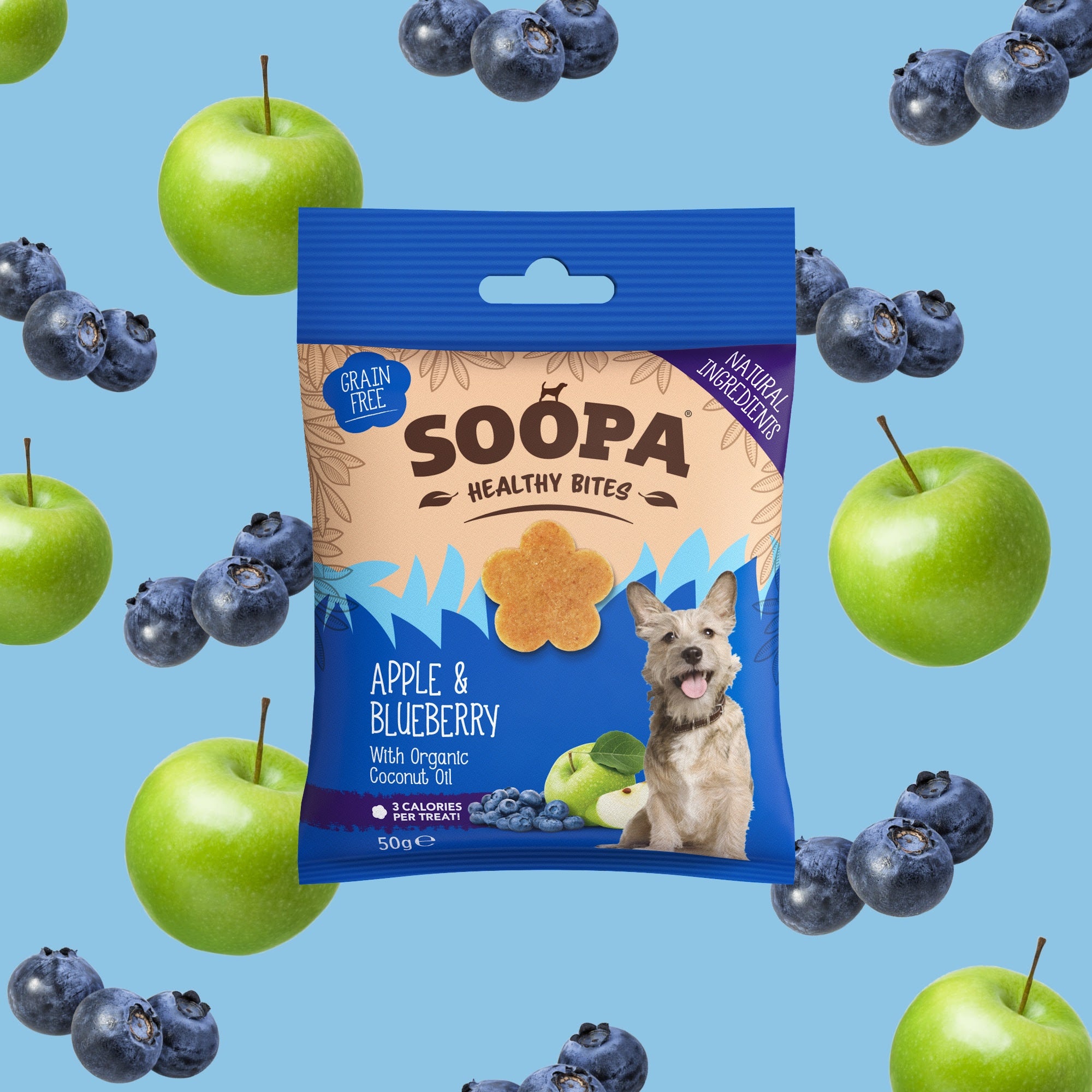
Did You Know That Soopa Makes Healthy Dog Treats That Contain Veggies?
They keep your pup's tails wagging! Just take a look at our bestsellers:
These dog treats are suitable for dogs with diabetes.

FAQ: The Best Foods For Diabetic Dogs & What They Contain
Can Diabetic Dogs Eat Yogurt?
Yes, diabetic dogs can eat plain, unsweetened yogurt. It’s a source of calcium and probiotics that support gut health.
Tip: Avoid flavored or sweetened yogurts and always check that it contains no xylitol.
Can Diabetic Dogs Eat Cheese?
Yes, cheese is safe in small quantities for most diabetic dogs. It offers calcium and protein.
Tip: Opt for low-fat varieties like cottage cheese. Too much cheese can lead to weight gain or digestive issues.
Can Diabetic Dogs Eat Raw Carrots?
Yes, raw carrots are a great low-calorie treat for diabetic dogs. They are high in fiber and support dental health.
Tip: Serve chopped or baby carrots raw or lightly steamed. Avoid carrot-based treats with added sugar.
Can Diabetic Dogs Eat Bananas?
Yes, diabetic dogs can eat bananas sparingly. They contain potassium and fiber but are naturally high in sugar.
Tip: Slice and serve in small portions occasionally. Overfeeding may spike blood sugar levels.
Can Diabetic Dogs Eat Broccoli?
Yes, broccoli is a diabetic-friendly vegetable. It's low in sugar and high in fiber, vitamins, and antioxidants.
Tip: Serve it steamed or raw in small pieces. Avoid adding oils or seasonings.
Can Diabetic Dogs Eat Kale?
Yes, kale can be part of a diabetic dog’s diet. It’s rich in vitamins A, C, and K, and helps support immunity.
Tip: Always serve chopped and steamed to aid digestion. Avoid giving too much, as it can cause gas or interfere with thyroid function in large quantities.
Can Diabetic Dogs Eat Pumpkin?
Yes, pumpkin is beneficial for diabetic dogs. It’s high in fiber and helps regulate digestion and blood sugar levels.
Tip: Use plain, cooked pumpkin (not pie filling). Add a spoonful to their meals for added fiber.
Can Diabetic Dogs Eat Green Beans?
Yes, green beans are an excellent treat for diabetic dogs. They’re low in calories and high in fiber and vitamins.
Tip: Serve them plain, fresh, frozen, or steamed. Avoid canned varieties with added salt.
Can Diabetic Dogs Eat Apples?
Yes, apples can be a safe snack for diabetic dogs. They contain fiber and vitamin C.
Tip: Remove the seeds and core, and serve in small slices. Stick to fresh apples only—no apple pie or apple-flavored treats.
Can Diabetic Dogs Eat Sweet Potatoes?
Yes, in moderation, diabetic dogs can eat cooked sweet potatoes. They’re high in fiber and support gut health.
Tip: Always serve plain, boiled, or baked (no sugar, spices, or oil). Avoid sweet potato treats with added ingredients.
Can Diabetic Dogs Eat Peas?
Yes, peas are safe and nutritious for diabetic dogs. They offer protein, fiber, and vitamins.
Tip: Use fresh or frozen peas (not canned with added sodium). Avoid feeding too many to prevent bloating.
Can Diabetic Dogs Eat Blueberries?
Yes, blueberries are a diabetic-friendly fruit in small amounts. They’re rich in antioxidants and fiber.
Tip: Serve fresh or frozen, a few berries at a time. Avoid anything sugar-coated or in baked goods.
Can Diabetic Dogs Eat Cucumber?
Yes, cucumbers are a low-calorie, hydrating snack for diabetic dogs. They support hydration and weight control.
Tip: Slice into rounds or sticks and feed raw. Avoid pickled or seasoned cucumbers.
Can Diabetic Dogs Eat Zucchini?
Yes, zucchini is safe and healthy for diabetic dogs. It's low in sugar and packed with vitamins.
Tip: Steam or slice raw without oil or seasoning. Add small amounts to meals or as a training treat.
Can Diabetic Dogs Eat Oatmeal?
Yes, oatmeal is a safe carb option for diabetic dogs when plain and cooked. It provides fiber and supports digestion.
Tip: Cook with water (not milk), and never add sugar or flavorings. Serve in moderation.
Can Diabetic Dogs Eat Tomatoes?
Ripe tomatoes in small amounts can be safe for diabetic dogs. They contain antioxidants and fiber.
Tip: Avoid unripe (green) tomatoes and stems/leaves, as they contain solanine, which is toxic to dogs.
Can Diabetic Dogs Eat Carrots?
Yes, carrots are a healthy, low-calorie snack for diabetic dogs. They’re rich in fiber and beta-carotene.
Tip: Serve raw or cooked, plain and chopped. Avoid canned carrots with added sugar or salt.
Can Diabetic Dogs Eat Broccoli?
Yes, diabetic dogs can eat broccoli in moderation. It’s full of fiber and antioxidants.
Tip: Serve steamed or raw in small pieces. Too much can cause gas, so offer sparingly.
Can Diabetic Dogs Eat Rice?
Plain brown rice can be fed occasionally to diabetic dogs. It offers fiber and energy.
Tip: Avoid white rice and flavored rice dishes. Serve in small portions as a side, not daily.
Can Diabetic Dogs Eat Peanut Butter?
Only in moderation. It must be natural peanut butter with no added sugar or xylitol. It’s high in protein and healthy fats.
Tip: Choose unsweetened, unsalted versions. Stick to a small lick or spoonful as a treat.
Can Diabetic Dogs Eat Cheese?
Yes, in very small amounts, cheese can be safe for diabetic dogs. It's high in fat and calories, so moderation is key.
Tip: Go for low-fat cheeses like mozzarella. Avoid processed cheese slices or spreads.
Can Diabetic Dogs Eat Yogurt?
Yes, plain, unsweetened yogurt (especially Greek) is okay in small amounts. It contains probiotics and calcium.
Tip: Avoid flavored or sweetened yogurts and those with xylitol or added fruit syrups.
Can Diabetic Dogs Eat Bananas?
Yes, but only in very small amounts. Bananas are high in natural sugars.
Tip: Use as an occasional treat, just a few thin slices. Never give overripe or overly soft bananas.
Can Diabetic Dogs Eat Cabbage?
Yes, cabbage is low in sugar and calories, making it suitable for diabetic dogs.
Tip: Serve lightly steamed or chopped raw. Avoid large quantities as it can cause bloating.
Can Diabetic Dogs Eat Celery?
Yes, celery is a great crunchy treat for diabetic dogs. It's high in water and fiber.
Tip: Chop into bite-sized pieces and serve raw. Avoid dips or seasoning.
Can Diabetic Dogs Eat Pumpkin?
Yes, pumpkin is one of the best foods for diabetic dogs. It supports digestion and blood sugar stability.
Tip: Serve plain, canned 100% pumpkin (not pie filling) or cooked fresh pumpkin. Add to meals in spoonfuls.
Can Diabetic Dogs Eat Strawberries?
Yes, strawberries can be given occasionally to diabetic dogs. They’re full of antioxidants and fiber.
Tip: Serve chopped and plain. Avoid giving too many as they contain natural sugars.
Can Diabetic Dogs Eat Apples?
Yes, apples are a good source of fiber and vitamin C for diabetic dogs.
Tip: Remove the seeds and core. Offer in thin slices. Stick to red apples and avoid overfeeding due to sugar content.
Can Diabetic Dogs Eat Lentils?
Yes, cooked lentils are safe for diabetic dogs. They’re packed with fiber and plant-based protein, helping regulate blood sugar levels.
Tip: Serve fully cooked and unseasoned. Avoid canned lentils with added sodium.
Can Diabetic Dogs Have Bone Broth?
Yes, plain bone broth is excellent for diabetic dogs. It provides hydration, joint-supporting collagen, and amino acids.
Tip: Choose low-sodium, onion-free versions. Homemade is best.
Can Diabetic Dogs Eat Coconut?
Yes, in moderation. Coconut meat and oil offer MCTs that support brain and energy health, even in diabetic dogs.
Tip: Offer a small spoonful of raw coconut or coconut oil. Too much can cause loose stools.
Can Diabetic Dogs Eat Ground Flaxseed?
Yes, ground flaxseed is a great fiber and omega-3 source for diabetic dogs.
Tip: Add a sprinkle to meals. Always serve ground (not whole) for absorption.
Can Diabetic Dogs Eat Chia Seeds?
Yes, chia seeds are safe and beneficial in small amounts. They’re rich in fiber and healthy fats that help stabilize blood sugar.
Tip: Soak before serving to aid digestion. Start with ¼ teaspoon for small dogs.
Can Diabetic Dogs Eat Prosciutto?
No, prosciutto is not recommended. It’s high in sodium and fat, which can negatively impact diabetic dogs.
Tip: Opt for lean, low-sodium proteins instead.
Can Diabetic Dogs Eat Parsley?
Yes, parsley is safe in tiny amounts and freshens breath.
Tip: Use as a garnish, not a full treat. Avoid spring parsley, which is toxic.
Foods & Treats To Avoid Feeding Dogs With Diabetes
- Cheese (full-fat) – High in saturated fat, can raise glucose
-
Milk – Many dogs are lactose intolerant
-
Yogurt (flavored) – Hidden sugars can spike blood sugar
-
Tomato (unripe green parts) – Contains solanine; ripe tiny amounts may be okay
-
Grapes & raisins – Toxic, can cause kidney failure
-
Onions, garlic, chives – Cause blood issues
-
Chocolate, coffee, caffeine – Poisonous to dogs
-
Alcohol – Toxic
-
Xylitol-sweetened foods – Deadly
-
Macadamia nuts – Toxic
-
High-sodium processed meats (ham, bacon) – Use very sparingly
-
Dairy desserts (ice cream) – High sugar & lactose
-
Bread, cookies, cakes – Simple carbs = glucose spikes
-
Potato chips – High salt/fat
-
Processed pumpkin pie mix – Sugars & spices harmful
-
Avocado – Persin toxicity risk
-
Raw dough – Expands in stomach, fermentation risk
Why These Foods Matter for Diabetic Dogs
Veterinary nutrition guidance (like AKC, VCA, PetMD, PetTest) supports feeding low-glycemic, high-fibre, lean-protein human foods to diabetic dogs. Freezing Greek yogurt cubes or steaming veggies helps maintain controlled glucose levels.
Final Thoughts
Feeding diabetic dogs human foods requires mindfulness but it can be both nutritious and joyful. Stick to lean proteins, high-fibre veggies, low-sugar fruits, and healthy fats. Avoid high-GI, high-sugar, or harmful ingredients.
When in doubt, choose vet-approved options like Soopa’s diabetic-friendly treats. Let your pup enjoy food again, safely!